
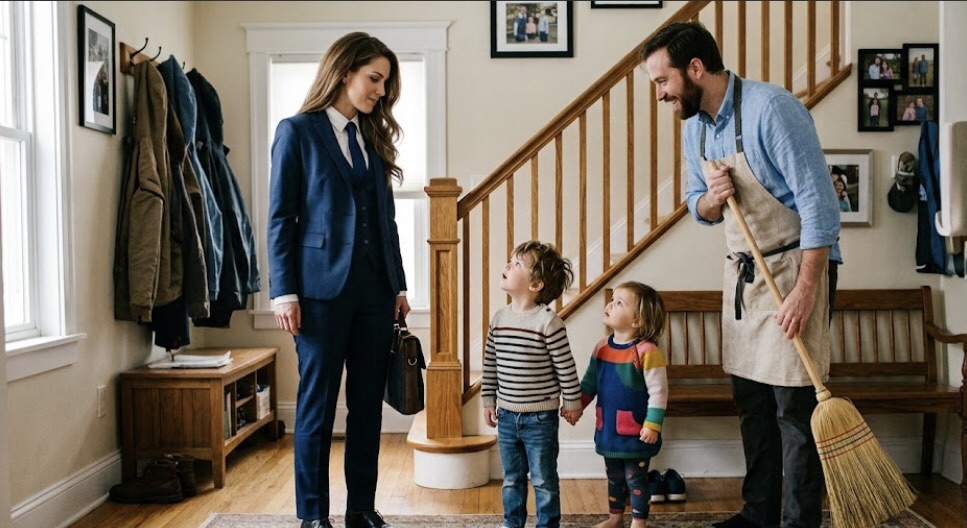

Children are always watching. As discussed in my previous piece A MAN WHO DOES NOT PROVIDE IN THE HOME GIVES HIS POWER AWAY, children may not understand finances, but they understand power, influence, and dependence. They notice who pays the bills, who makes the decisions, and whose voice carries the most weight in the home.
Sons often learn what manhood looks like by watching their fathers. When they see their father financially dependent on their mother and lacking authority in the home, they may become confused about what it means to provide, lead, and contribute. Some sons may lose respect for their father’s voice and begin to associate manhood with powerlessness and dependence. Others may overcorrect and grow up determined to never rely on anyone because they witnessed the loss of influence that can come with financial dependence.
Daughters are also watching and learning. When they see their mother carrying the financial responsibilities and their father in a dependent role, they may begin to view women as the natural leaders and providers in relationships. They may unconsciously expect to shoulder the burdens of adulthood and believe they cannot rely on men for stability and security. Some daughters may grow to resent dependence altogether and choose partners they feel they can control because they learned early that the person who pays the bills often holds the power and calls the shots.
If a father is financially dependent and is treated as powerless, dismissed, or unable to make decisions, children may begin to see him through that same lens. Some may lose respect for his authority, while others may internalize unhealthy ideas about what it means to be a man, a provider, and a leader.
In the end, children do not simply inherit what they are told, they inherit what they witness. The structure of a home shapes their understanding of leadership, responsibility, power, and partnership long before they are old enough to name it. What they observe between a mother and father becomes the foundation for how they understand relationships, value themselves, and choose partners in adulthood.

